
Predictive Analytics Solutions are starting to change, like really change, how businesses make decisions. Most companies, well they kinda guess. They look at last month’s sales, add a little bit more, then just… cross their fingers it works out. Sometimes it does, sure. But sometimes it doesn’t, and then later comes the bill , like wasted inventory, missed chances, or that sudden cash crunch nobody saw coming, and it hits hard too, seriously.
There is, though, another way people are doing it. The smarter ones are sliding away from pure guesswork, and they’re moving toward predictive analytics solutions instead. Instead of just hoping, they can actually figure out what’s most likely next, meaning next sales, cash flow, customer behavior patterns, and a bunch of related things.
Now if “predictive analytics” sounds like some polished corporate phrase, don’t bail on me yet. Give me the next five minutes. I’m gonna explain why predictive analytics is kind of the nearest thing business has to a crystal ball, and also how you can begin using it even if you are not a data scientist or anything close to that.
What Predictive Analytics Solutions Actually do

You don’t need to take my word for it, the numbers do the talking, honestly.
- Companies using predictive analytics say they can improve forecast accuracy by as much as 20-30% versus older, traditional approaches
- Businesses that lean into data-driven forecasting are 23 times more likely to acquire new customers in a more efficient way
- Retailers using predictive demand forecasting report cutting excess inventory costs by 10-15%, and that frees up cash that was basically tied up
This isn’t some “sometime later” idea anymore. It’s a right-now edge. And every quarter you delay, a competitor somewhere is already using it to out-price you, out-stock you, and outmaneuver you in ways you won’t even see coming until it’s too late.
Why Every Smart Business Is Racing to Adopt This Right Now

You don’t need to take my word for it, the numbers do the talking, honestly.
Companies using predictive analytics say they can improve forecast accuracy by as much as 20-30% versus older, traditional approaches
Businesses that lean into data-driven forecasting are 23 times more likely to acquire new customers in a more efficient way
Retailers using predictive demand forecasting report cutting excess inventory costs by 10-15%, and that frees up cash that was basically tied up
This isn’t some “sometime later” idea anymore. It’s a right-now edge. And every quarter you delay, a competitor somewhere is already using it to out-price you, out-stock you, and outmaneuver you in ways you won’t even see coming until it’s too late.
7 Game-Changing Ways Predictive Analytics Solutions Help Business Forecasting

Ok let’s make this real. This is where the tech kinda clicks, in a measurable way, not just a buzzword thing.
- Sales forecasting that actually stays steady
Forget using last quarter’s numbers with a quick, maybe multiplier. Predictive models chew through seasonality, price shifts, marketing spend, and even weather, plus broader economic indicators, to project sales with pretty sharp accuracy. - Inventory and demand planning that prevents both extremes
No more warehouses crowded with unsold goods, or empty shelves right when demand spikes. Predictive analytics solutions estimate what shoppers will want, and when, so you can order with more sense instead of ordering harder. - Cash flow and financial forecasting, before it gets ugly
Running out of cash is… brutally common, and often it’s not sudden until it is. Predictive models highlight possible shortfalls months early, so finance teams can do something, rather than just responding after the fact. - Customer churn prediction, with early signals
Losing customers costs real money; losing them without warning costs even more. Predictive analytics spots at-risk customers ahead of time, so retention teams can intervene while there’s still a chance. - Risk and fraud detection with early pattern spotting
When predictive systems track unusual behavior in near real time, they catch fraudulent transactions and operational issues way before they grow into major losses. - Workforce and resource planning that matches reality
From staffing seasonal surges to estimating equipment maintenance needs, forecasting models help place people and assets where they’re truly needed most. - Marketing ROI forecasting, instead of guessing in the dark
Stop rolling the dice on campaigns. Predictive models forecast which channels, audience segments, and messaging styles will drive conversions, before you actually spend even one dollar.
Real Businesses, Real Results
Numbers are convincing, but stories kind of cling. Here’s what predictive analytics solutions feel like, in action across three not so similar industries.
A Retail Chain Stops Guessing on Inventory
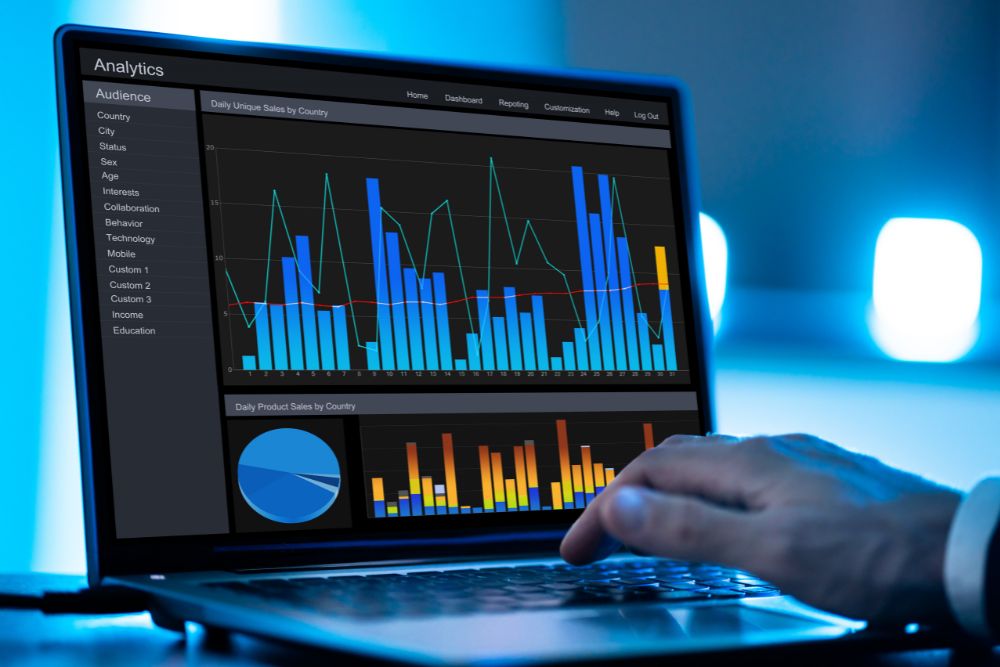
A mid-sized retail chain used to order stock based on “what sold last year, plus a bit more” . It worked, sort of… until it didn’t. After moving to a predictive demand-forecasting tool, the company started weaving in local events, weather shifts, and small micro-trends around customer behavior. Within two quarters, overstock dropped quite a lot, and best sellers stopped being out of stock on peak weekends.
A SaaS Company Predicts Churn Before It Shows Up
A subscription software shop was losing customers every month and honestly couldn’t quite pin down why until, it was already too late. When the team fed usage metrics, support tickets and even login frequency into a churn forecasting model, they began noticing “at-risk” accounts weeks ahead. That kind of early warning helped their outreach, and a good chunk of those accounts came back from the edge instead of losing revenue that would’ve disappeared.
A Manufacturer Forecasts Cash Flow With Real Confidence
A manufacturer dealing with long payment cycles kept running into surprise cash crunches until predictive financial modeling gave finance leaders a steady 90-day outlook. Rather than waiting to react to a cash shortfall, they planned around it, negotiating supplier timing and credit lines way before the pressure hit.
None of these companies hired a team of data scientists overnight. They just picked up the right predictive analytics solutions , and let the data do most of the heavy lifting.
5 Common Mistakes You Should Avoid When You’re Implementing Predictive Analytics

Even strong tools tend to fall flat when they’re configured a bit carelessly, y’know. Here are a few not so obvious missteps that keep showing up.
1. Feeding the model messy data.
Predictive analytics is only as good as the info underneath it. Duplicate records, missing fields and inconsistent formatting, they sort of quietly break accuracy before the model even has a real chance.
2. Trying to predict everything at once.
When a business decides to forecast every metric on day one, it often turns into noise, and then people lose patience with the whole project. Start with one high-impact use case, show the value, then extend from there.
3. Ignoring the human element.
A forecast is more like a starting point, not a kind of truth you can put in stone. Teams that treat predictions as unquestionable guidance, they miss context that only people in the workflow can actually notice.
4. Skipping regular model updates.
Markets shift, customer behavior changes, and patterns that once felt stable can get weird over time. A predictive model trained once and then left alone for years, slowly drifts out of sync with reality.
5. Choosing complexity over usability.
The most advanced modeling approach in the world becomes pointless if nobody on the team can interpret the dashboard. Simple designs encourage adoption, and adoption is what creates results.
The Future of Predictive Analytics in Business Forecasting
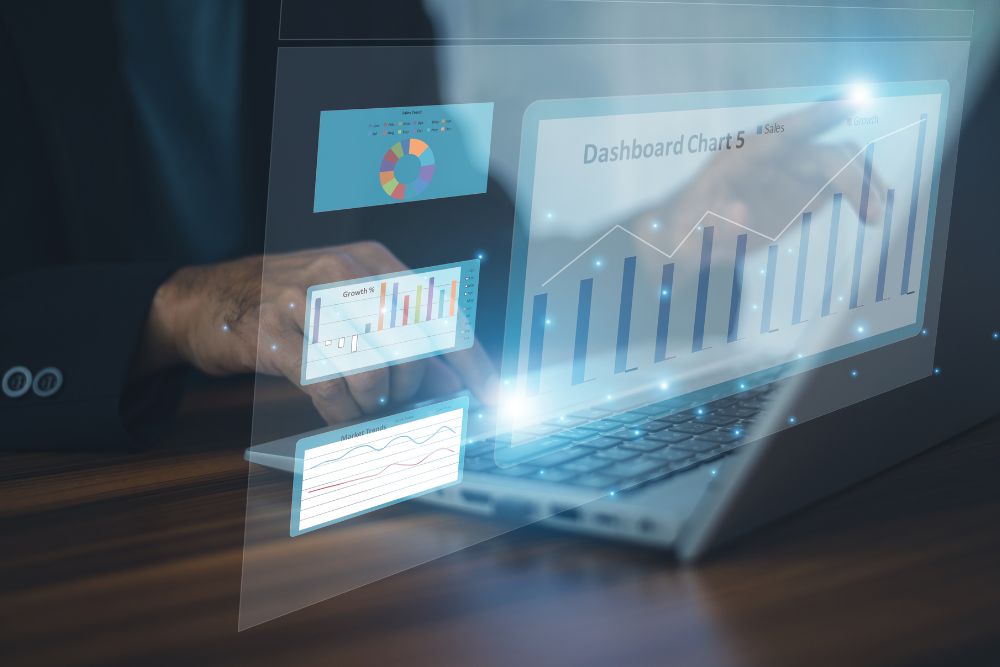
This whole area is moving really fast, and a handful of trends are kind of quietly deciding what happens next. You can already see it:
- AI powered automation forecasting models are getting self adjusting, updating their guesses on their own as new data streams arrive
- Natural language dashboards instead of staring at graphs and charts all day, teams will soon just ask the forecasting tool a question, and get a plain English response.
- Deeper integration predictive analytics is blending right into common, everyday tools like CRMs and accounting software, not staying as a separate island
- Democratized access the thing that used to need a full data science unit is now showing up for small business owners through affordable, no code platforms
So yeah, the direction looks clear. Predictive analytics solutions are becoming faster, sharper, and much more approachable, which basically means the competitive gap between early starters and everyone else is likely to widen.
How to Choose the Right Predictive Analytics Solution for Your Business
Not all tools are made the same. When you are evaluating predictive analytics solutions for business forecasting, try to focus on five essentials that matter in practice, not on slides:
- Clean data integration it should connect easily with your existing CRM, ERP, or POS systems, without you losing weeks to manual setup
- User friendly dashboards insights don’t help much if your team can’t understand them at a glance
- Scalability the solution should expand with your business, not trap you when your data volume grows
- Real time updates stale predictions are, honestly, barely better than guessing, especially in fast moving markets
Proven accuracy request case studies and real performance benchmarks, not just sales talk, or those vague promises that never quite land
The Bottom Line
Forecasting used to be part art, part guesswork, part crossed fingers. That whole period is ending fast. Predictive analytics solutions have kind of turned business forecasting into a real competitive advantage, one that runs on data, not desperation.
The firms that move on this now won’t only forecast better. They’ll plot a smarter course, allocate budgets more wisely, and keep growing quicker than rivals still kind of flying blind, you know?
The issue isn’t really whether predictive analytics works. It’s whether you start using it before your competitors do.
Ready to replace guesswork with actual forecasting power? Reach out to our team to explore predictive analytics solutions that are built around your business. Connect with us at contactus@panalinks.com