

The chai stall near your home serves as your morning destination. The chaiwala already has your glass ready two sugars, no milk before you even open your mouth. No conversation needed. He just knows.
People today expect their phones to work like this all the time.
AI in mobile apps has reached a developed stage where it can deliver users their expected results. The system learns user patterns which it applies to one million users and improves its performance every week. In 2026, the gap between apps that use AI well and apps that don’t is obvious the moment someone picks up their phone.
The system functions through its core mechanics which create user value. The system functions through two main changes which make it easier for users to navigate. Users develop new behavior patterns through their multiple interactions with the system. The app behaves like it provides you with exclusive focus.
The system functions through its core mechanics which create user value.
Why Personalization Is Now the Baseline Expectation for AI in Mobile Apps

Five years ago, showing a user their “recently viewed” items felt personal. Today that’s table stakes. Users have been trained by the best apps in the world to expect their phone to know them and they abandon apps quickly when it doesn’t.
AI in mobile apps learns from behavior quietly and in real time. Your morning routine includes checking your fitness statistics. The app opens the main screen which you use for daily fitness checks. Your Wednesday vegetable orders create a grocery list which shows your entire order before you start typing. Your preferred craft marketplace items appear first on the next visit.
This system does not create magical results. This system uses pattern recognition to create beneficial outcomes. Users can measure their effects because they reach their targets with personal behavior systems. Users return to apps that use behavioral personalization because they experience 40% more user time which transforms their apps into better user experiences.
How AI in Mobile Apps Sends Notifications You Actually Want to Read
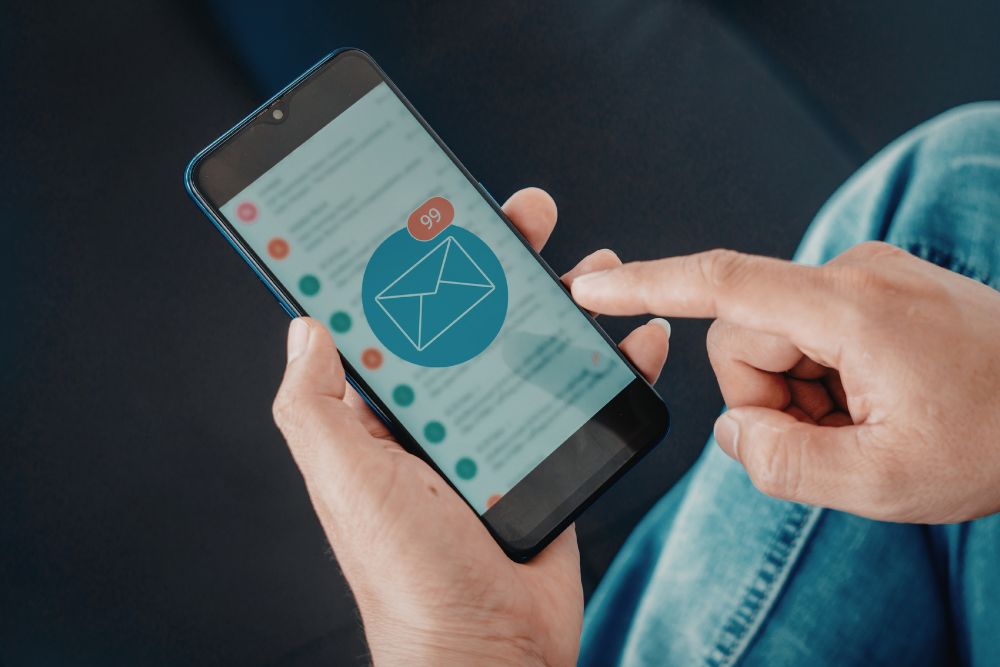
The study explains how artificial intelligence systems send push alerts through mobile applications to create alerts which users prefer to read. Most people have notifications turned off for most apps. Users disable notifications because organizations send irrelevant content at inappropriate times. The solution to both issues in mobile applications comes from artificial intelligence technology.
The system operates in three functions: it tracks user movements through built-in sensors; it monitors user interaction through push notifications; and it determines optimal times to send alerts based on user habits. A smart push notification needs both its content and its delivery time to create an effective message. The application automatically decreases its background activities to protect your device power during your lunch break. The system orders your standard coffee order through a single tap when you pass by your favorite coffee shop. A mother in Jakarta receives a sleep alert which matches her baby’s actual sleep schedule from the previous day.
Users open context-aware notifications three times more frequently than they open standard alerts. The difference between these two methods proves important because it determines the actual value which push notifications bring to users.
Location-Based Nudges That Feel Helpful, Not Intrusive
The location intelligence system needs to create accurate results because it delivers correct answers. The system works by delivering content which users actually need while minimizing extra information. The system directs users to “Fresh okra stall” when they approach the vegetable market. The system reveals nearby umbrella shops during a rainstorm. The system created useful features which match actual events that users encounter during their workday instead of using industry-standard marketing dates.
The artificial intelligence system which mobile applications use teaches that a single effective notification offers better results than multiple useless alerts.
Conversational AI in Mobile Apps
Talking to Your Phone Like a Neighbor Typing a search term in the style of completing a form is an activity that nobody enjoys undertaking. Grandmothers from Tokyo use voice and chat interfaces to control delivery applications by saying “spicy level three please” because the system manages all operational functions.
AI in Mobile Apps Is Making Shopping Smarter and More Personal

The retail industry became the first sector which started to implement AI-based personalized services, and its results demonstrate this commitment. Mobile applications now use artificial intelligence to recommend products which have similar characteristics to items that users previously purchased.
Recommendations That Know Your Context
The wine application determines which wine matches your braai tonight based on your previous purchases and current weather conditions. The system uses your purchasing history and seasonal data and evening activities to generate a personalized recommendation which appears to be human-generated instead of machine-generated.
The clothing applications use your camera to create body scans which provide you with accurate size recommendations. Customers and businesses both benefit from reduced returns when customers receive properly fitting clothes. Smart shopping features like these cut returns by around 28%.
Live Selling With AI Assistance
Live commerce has become more intelligent than before. AI in mobile applications observes the seller’s demonstration of a scarf while it automatically identifies the matching blue bag from your previous month purchase and displays a buy button which you can access without any navigation. The system allows users to complete their tasks through a single tap without requiring them to change their active screen. The specific details create a level of trust which generic product pages are unable to establish.
Health and Wellness AI in Mobile Apps Keeps an Eye Out for You

Mobile phones include advanced sensors which function as accelerometers and heart rate monitors and microphones and cameras and mobile applications use artificial intelligence to operate these sensors without disrupting user experience.
The application completes background processing for step counts and heart rate trends and sleep data. The app shows a silent notification when you spend too much time sitting which enables you to decide whether to take a brief walk. The application recommends rest to runners whose heart rates exceed their normal limits because their body needs recovery time.
Current parenting applications use baby cry analysis to detect three potential causes which include teething and hunger and discomfort based on audio patterns. Your weekly activities will determine whether you find that particular sound helpful or somewhat disturbing. The main idea remains the same because AI mobile applications work to monitor user activities which enable users to maintain their mental capacity without effort.
Health and wellness applications achieve 40% lower abandonment rates when they incorporate intelligent contextual nudges instead of using standard reminder systems.
Entertainment, News, and Music AI in Mobile Apps Learns Your Taste

The video games maintain player engagement through their gameplay elements which create optimal difficulty conditions. Players maintain their challenge level through AI technology which modifies game difficulty during play. A racing app that matches kids with others at similar skill levels and adds encouragement bubbles during the race sees people playing twice as long. The experience feels fair, and fair feels fun.
News That Filters for You
Too much news is overwhelming. AI in mobile applications discovers your actual reading material while identifying your scrolling behavior. People who love local market prices will see those prices displayed first. Political stories which you skip ten times will move to the lower position. Your reading speed determines your choice between short bites and long-form stories with context. Your feed starts to feel like it was curated by someone who knows you because, in a way, it was.
Music That Matches the Moment
AI in mobile applications uses your walking pace together with outdoor weather conditions and your song skipping behavior to select matching tracks. Rainy afternoon? Smooth jazz. People use focus tracks to block noise during their crowded train commutes. The mood changes automatically when you skip sad songs three times without taking any action.
You can hum a few notes to find the song through the app even when you are not connected to the internet. The technology remains amazing because it operates like a minor miracle.
Money, Productivity, and the Practical Side of AI in Mobile Apps
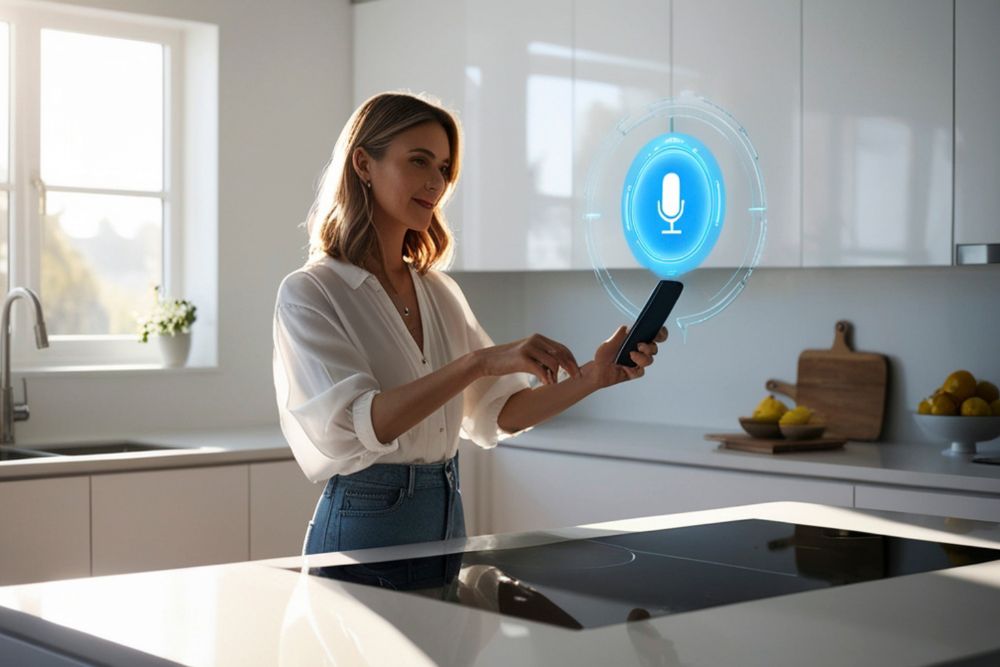
Finance Apps That Don’t Lecture
Financial AI systems require correct tone selection because it determines their complete effectiveness. The statement about my coffee consumption and the suggestion to brew at home create different outcomes from the spending alert message. The two messages contain identical information yet one sends a friendly message while the other delivers a banking message. The applications that succeed at this particular task achieve better user adoption of their budgeting tools.
The process of dividing restaurant expenses through receipt scanning has become standard because it requires no manual work and no complicated calculations and users no longer need to write “you owe me” messages. The application performs the entire process.
Productivity That Knows When You’re Sharp
AI in mobile apps learns when you do your best thinking. Your most demanding work gets assigned to your peak cognitive hours which occur during the morning. The application provides simple email tasks and less demanding assignments during your afternoon decline. Users receive a complete focus experience because the system automatically disables all incoming alerts. Voice recognition software transforms spoken words into structured task lists.
The application requires less intelligence because it needs to understand you better in order to stop interfering with your tasks.
Privacy and Offline Performance What Good AI in Mobile Apps Looks Like Behind the Scenes
The trustworthy applications deliver two essential functions to users through effective management of user data protection and system sustainability.
The standard privacy protection for any worthwhile application requires end-to-end encryption as the fundamental security measure. Your facial recognition data remains stored on your device instead of being transmitted to external servers.
You determine which data will be transmitted to the cloud and which data will remain on your device. The top applications showcase their commitment to user privacy through their operational methods which they maintain as hidden information.
The solid mobile applications maintain their AI capabilities because they can function independently of internet access. A well-designed application maintains its operational abilities during a typhoon in Manila by using local storage to handle route mapping and order processing and chat functions until it can connect again. The system maintains its complete functionality until all wireless signals stop.
The Real Numbers Behind AI in Mobile Apps

The data shows recurring patterns through proper execution of AI systems which create these results:
- 35% increase in app opens from personalized content suggestions
- 2x longer engagement in voice-based conversations versus typed queries
- 28% reduction in returns when AI handles size and fit recommendations
- 40% lower app abandonment when health and wellness nudges are context-aware
- 3x higher open rates on smart, location- and behavior-triggered notifications
One noodle delivery app in Jakarta quadrupled its sales over two years by getting these fundamentals right not by adding flashy features, but by making the core experience feel genuinely attentive.
What's Coming Next for AI in Mobile Apps
The direction is toward apps that notice things before you do. Eye strain from scrolling too long suggests a break. Irregular patterns in biometric data a quiet health flag before it becomes a problem. Apps that function as monitoring devices instead of serving as user tools.
The year 2026 will bring improved offline artificial intelligence systems and enhanced emotional understanding systems and device-independent personalized user experiences. The applications which have integrated user engagement methods into their fundamental operations will gain a major advantage.
Final Thoughts AI in Mobile Apps Turns Screens Into Something Warmer
The top AI systems within mobile applications, which provide their best features, operate silently without making their presence known. The app helps users complete their tasks more efficiently. Your daily routines become more efficient. The application opens its main interface at the proper starting point. The system sends alerts to users exactly when they need them. The recommendation actually fits.
The cumulative experience of an app that remembers user preferences while making adjustments and responding to inputs creates an experience that transforms a useful tool into a daily essential. The daily habits that users develop from their interaction with applications represent the final objective that all application developers pursue.
We would like to discuss how AI personalization can enhance your application’s user experience if you are developing an app. The contact email for our company is contactus@panalinks.com.