

Autonomous AI agents are starting to feel like silent engines inside modern businesses. They do not ask for breaks. They do not wait for meetings. They notice work that repeats and quietly take it over. This is not magic. It is not hype. It is a slow shift in how companies move from effort to flow.
Think of a busy street market. Every seller shouts. Every buyer asks. Now imagine small helpers walking around, noting demand, restocking items, and guiding people. No noise. Just order. That is how autonomous AI agents behave inside digital systems.
These agents act without being pushed each time. They watch events. They choose actions. They learn from outcomes. A normal program waits for a command. An agent wakes itself. This difference sounds small, yet it changes speed in a big way.
How AI Agents Enable Scalable Growth Without Human Burnout

Scaling a business often fails because humans get tired. Teams grow, but mistakes grow too. Agents do not get tired. They repeat tasks with the same focus at midnight and at noon. This steady rhythm helps companies expand without chaos.
In sales teams, agents work like quiet spotters. They track leads. They sense which deal is warm and which is cold. When interest drops, they act early. They send reminders or suggest timing changes. Sales people stay focused on talks, not chasing lists.
Customer support sees another shift. Agents read tickets as they arrive. They group similar problems. They solve simple ones alone. For complex issues, they prepare context for humans. This saves time and reduces stress. Support feels calmer.
How Autonomous AI Agents Keep Operations Running Smoothly at Scale
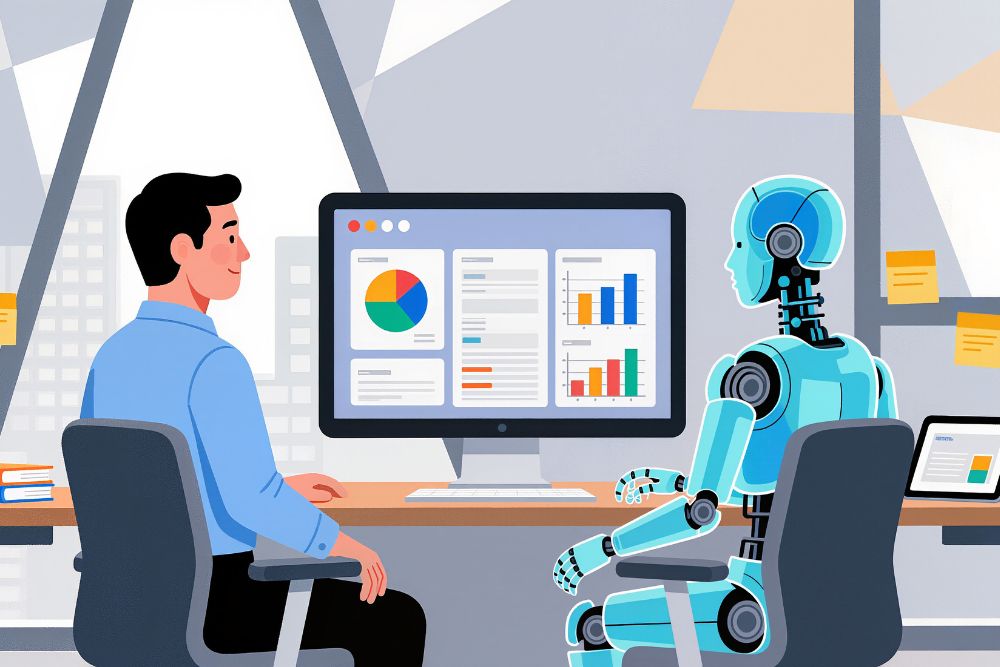
Operations teams use agents like traffic guides. They watch systems, logs, and queues. When a process slows, the agent tries a fix. If the fix fails, it alerts someone. No waiting. No panic. Just steps taken in order.
Many fear loss of control. In reality, agents work inside fences. Businesses set rules. Agents know where they can move. They cannot cross lines. Think of them as trained dogs, not wild animals.
The real power comes when many agents work together. One agent alone is useful. Ten agents feel like a team. Each handles one small duty. Together they speed up the whole machine. Scaling becomes smoother, not heavier.
AI Agents Strengthen Supply Chains, Finance, and Product Decisions

In supply chains, agents act like early birds. They notice delays before humans do. A truck stuck on one route triggers a small reroute suggestion. Inventory adjusts before shelves go empty. Loss turns into balance.
Finance teams use agents as number watchers. They scan expenses. They see patterns. When spending looks odd, they whisper a warning. No loud alarms. Just a tap on the shoulder. This prevents leaks without fear.
Product teams also benefit. Agents watch how users move inside apps. They notice friction. They log moments where users pause or quit. Designers then improve flows based on facts, not guesses
Why Autonomous AI Agents Accelerate Growth by Eliminating Waiting and Decision Overload

The speed gain comes from removal of waiting. Humans wait for reports. Agents do not. They act when data changes. This cuts hours into seconds. Growth feels faster because feedback loops shrink.
Autonomous AI agents also reduce decision load. Managers make fewer small choices. Agents handle routine calls. Leaders focus on direction, not noise. This clarity helps companies grow with purpose.
Building these agents does not mean building giant brains. Simple agents work best. One goal. Few rules. Clear output. Complexity stays low. This keeps trust high.
Training agents feels more like coaching than coding. Teams show examples. The agent learns patterns. Over time, it improves. This makes adoption easier for non technical teams.
How Autonomous AI Agents Quietly Remove Drag and Make Scaling Feel Lighter

In Indian startups, this fits well. Teams are lean. Time is precious. Agents stretch capacity. One founder can manage more without burning out.
Large enterprises also gain. They often struggle with slow change. Agents slip into old systems. They improve parts without full rebuilds. This lowers risk.
Security remains central. Agents carry limited access. They log actions. If something goes wrong, teams trace it easily. Control stays human.
Some worry about jobs. In practice, roles shift. People stop doing dull work. They move to creative and strategic tasks. Satisfaction often rises.
Scaling faster is not about rushing. It is about removing drag. Autonomous AI agents remove drag quietly. They smooth paths. They keep motion steady.
Over time, businesses will stop talking about agents. They will just feel the difference. Work will move with less push. Growth will feel lighter.
Picture a river after rocks are removed. Water flows faster without force. Agents remove rocks. They do not change the river.
Why Autonomous AI Agents Are the Quiet Shift Separating Agile Companies from Heavy Ones

This change will not arrive with banners. It will arrive one task at a time. One agent here. Another there. Soon, speed feels normal.
Companies that resist may feel heavy. Those who adopt feel agile. The gap will widen.
Autonomous AI agents are not future dreams. They are present helpers waiting for a place to work.
If this picture matches a problem sitting quietly in your business, write it down and send it. We read such notes with care.