
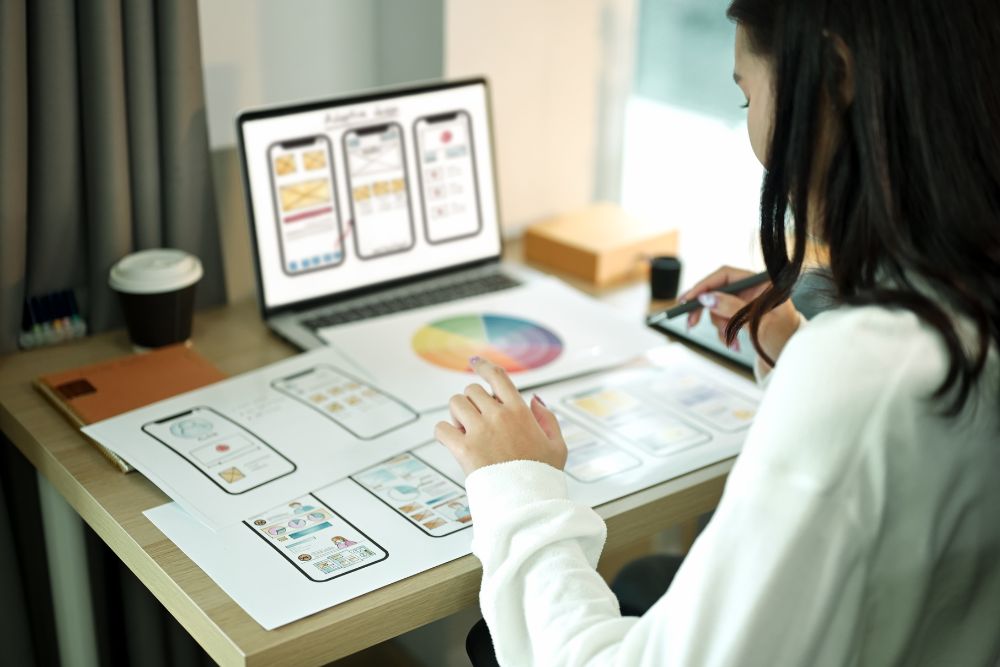
The year 2026 will see mobile application development trends change how people conduct business with companies and access services and complete their daily activities. Modern applications function like active street markets where vendors immediately tell customers about newly available products by sending updates and services and purchases to their devices within seconds.
Users need to wait for services or they can use their devices to place orders and get recommendations and access services through a single tap or voice command. Developers need to create applications which will understand user requirements while functioning properly on all devices to provide users with quick and smooth application usage.
The following primary mobile application development trends will shape the industry throughout 2026.
Voice Interfaces Are Replacing Touch
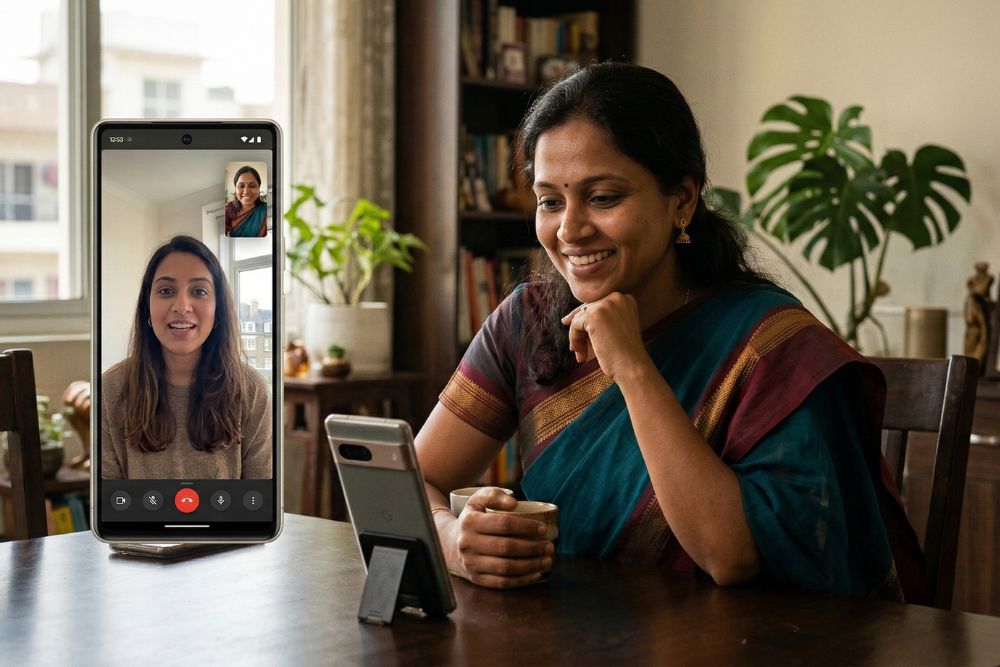
Voice technology is rapidly changing how users interact with mobile apps. People use voice commands as their main method to control applications instead of using menus which require them to type or tap.
A user who is preparing dinner will say “Find a yellow shirt in large size” or “Order my usual meal.” The app processes the request instantly and adds items to the cart.
Modern voice interfaces are becoming smarter by:
- Recognizing different accents and dialects
- The system uses advanced technology to eliminate background sounds like traffic noise and people talking.
- The system enables users to control their devices through voice commands which can be executed without an internet connection.
Businesses are creating voice recognition systems which can adapt to different geographical locations so that their applications can comprehend regional dialects and local terminologies. This system enables users to interact through their voices with complete fluency and ease of use.
AI-Powered Personalization
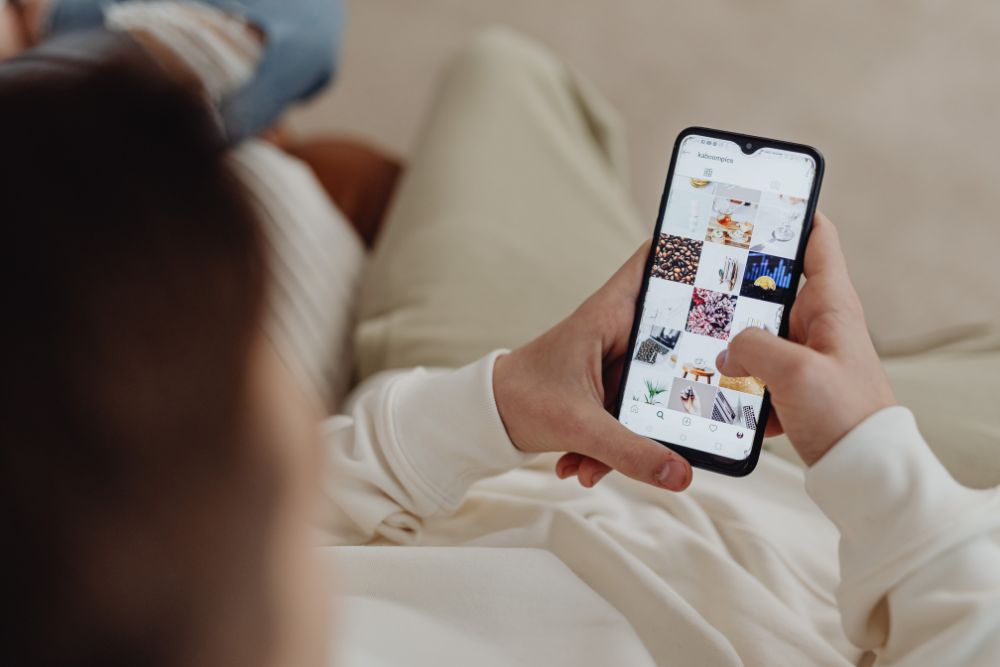
Artificial intelligence enables applications to improve their intelligence capabilities beyond existing levels.
Modern mobile applications use user behavior analysis to develop customized recommendation systems. The application will send a reminder to users who order groceries on Fridays or it will create their shopping list before their next order.
The following examples show how personalization works:
- Product recommendations based on previous purchases
- Content suggestions based on browsing habits
- Time-based recommendations include news which users should watch in the morning and entertainment which they should watch in the evening.
The demand for privacy protection has become a major focus in contemporary society. The majority of applications now require user consent before they start collecting data while offering users options to manage their personalized experiences.
Augmented Reality Shopping
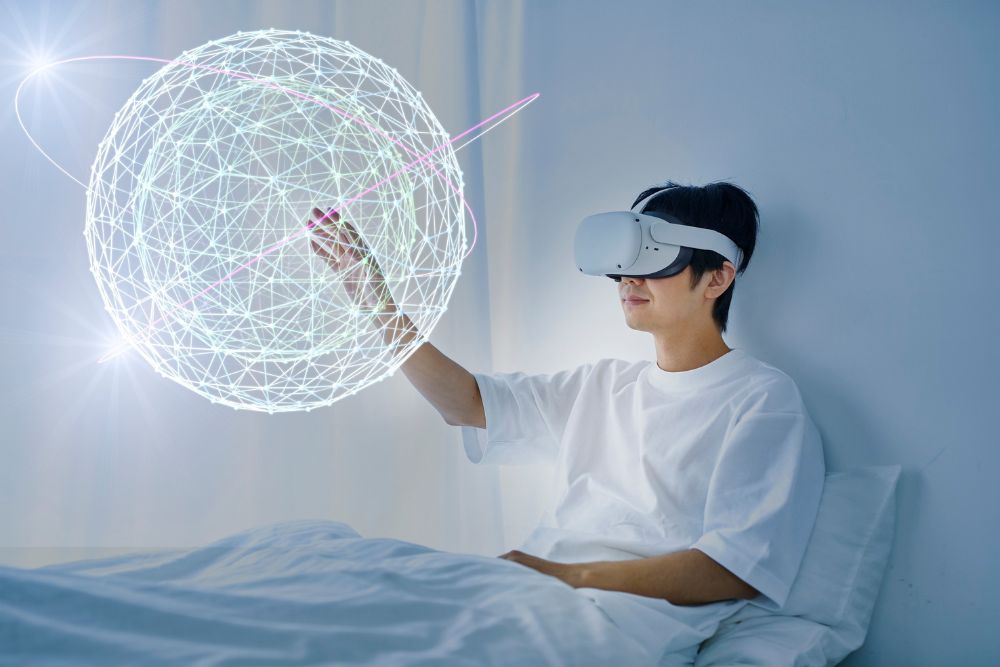
The technology of Augmented Reality (AR) enables users to experience virtual content within their actual physical surroundings.
AR technology enables users to see products displayed in their actual residential locations before they make a purchase. For example:
Furniture applications enable users to use their mobile device camera to display a virtual sofa model in their actual living room space.
Toy applications enable children to see how toys will appear when placed on their display areas.
Retail applications use space scanning technology to identify available storage areas which match specific product requirements.
This technology reduces product returns because customers can see exactly how an item will look or fit before buying it.
Offline-First Mobile Apps
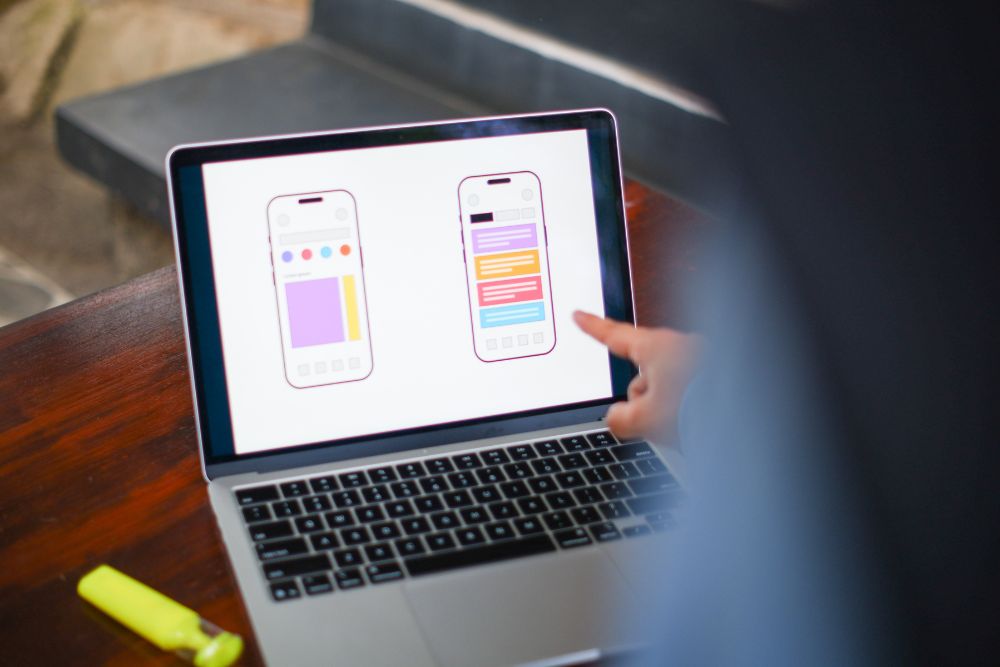
The internet does not provide dependable connection service at all times. Developers are creating offline-first applications to address this issue.
The applications maintain operational status when network access becomes unavailable. User actions are saved on local storage until the internet connection is restored, at which point data will be synchronized.
Users can access these features without needing an active internet connection:
- Saved shopping carts
- Offline maps and navigation
- Reading content without the internet
- Local data storage for orders and transactions
Offline capability ensures consistent user experiences regardless of connectivity.
Lightweight and High-Performance Apps
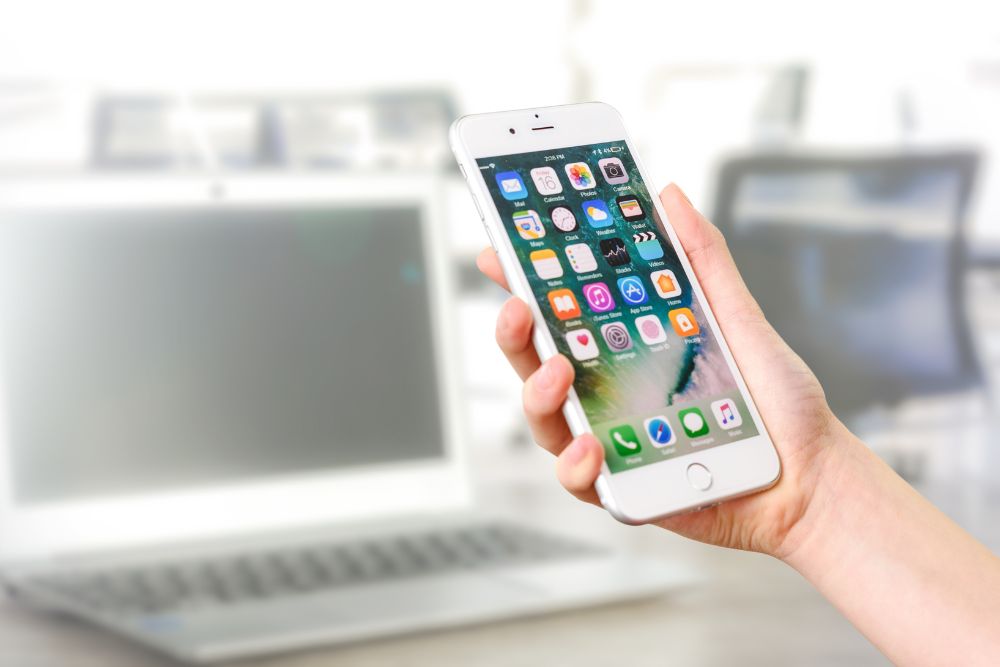
When users install large applications that contain extensive codebase their systems experience considerable delays in startup times and their overall performance drops to suboptimal levels.
Developers in 2026 will create applications that require less system resources which will enable their customers to use their software on all existing mobile devices.
Techniques include:
- The process of lazy loading enables users to access visual elements and website information only when they need it.
- The process of code splitting enables developers to break their application codebase into separate components.
The system delivers updates by providing users with smaller portions of new content that they can download multiple times.
The method provides better system performance because it requires less storage space and decreases memory consumption.
Wearable Technology Integration

The mobile ecosystem now relies on wearables which include smartwatches and health rings as critical components of its technological framework.
Users now access instant health updates through applications which connect to wearable devices without the need to examine their smartphones.
Examples include:
- The system tracks user fitness activities while it records their heart rate throughout the day.
- Users can make payments by using their wearable devices to complete transactions.
- The system sends alerts to users through their wrist devices which show meeting reminders and other notifications.
Wearable devices enable applications to send information to users at any moment and through various easy-to-use methods.
Rise of Super Apps
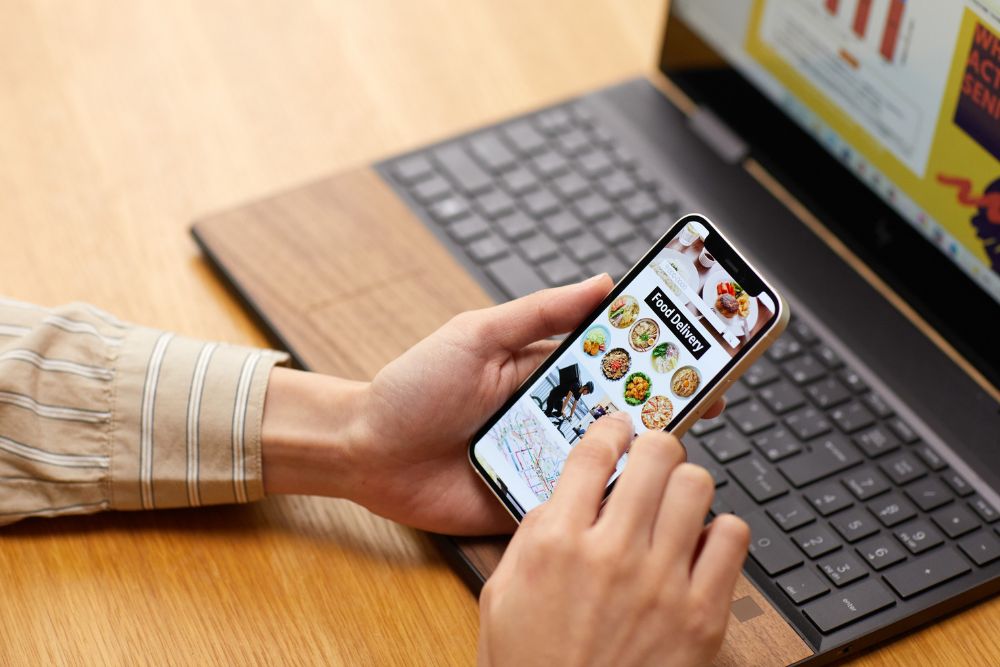
Super apps provide multiple services through a single integrated platform which allows users to access all features without needing to install different applications.
A typical super app might include:
- Messaging
- Payments and banking
- Shopping
- Ride-hailing services
- Food delivery
By integrating services super apps enable users to complete daily activities more easily while they spend more time using the app.
Energy-Efficient and Green Apps
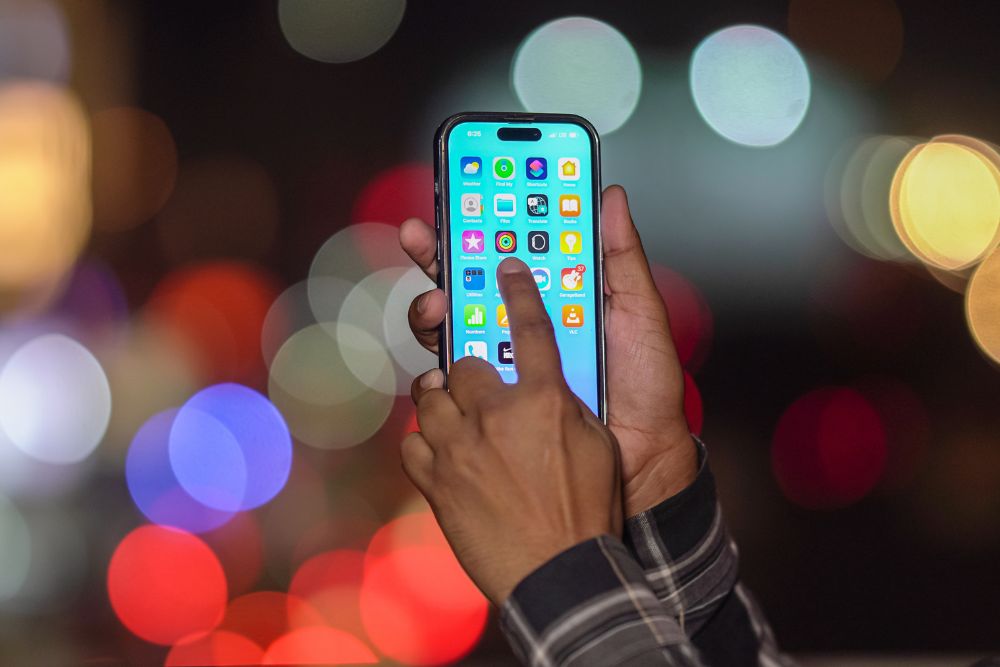
Battery life remains one of the biggest concerns for smartphone users. Developers are addressing this by designing energy-efficient applications.
Modern apps maintain power efficiency through:
- Dark mode interfaces
- Reduced background activity
- Optimized graphics and animations
Energy-efficient applications enhance battery performance while delivering better operational efficiency.
Edge Computing for Faster Performance
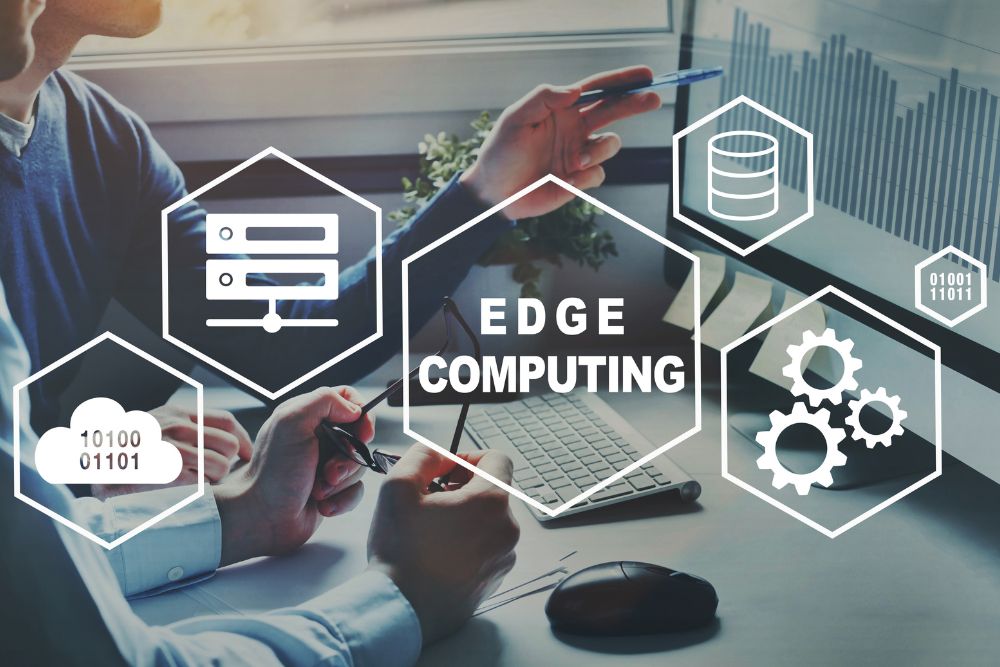
Edge computing processes data closer to the user’s device rather than depending on remote cloud servers for its entire processing needs.
This approach decreases latency while it improves the speed of navigation services and gaming services and real-time data processing services.
Cloud Backup and Data Protection

User data protection requires reliable backup systems which serve as vital components for safeguarding user data. Modern applications establish automatic information synchronization with secure cloud storage systems.
Users can restore their data from a lost or damaged device because they have access to simple data recovery methods that protect their essential information.
The Future of Mobile Apps
Mobile applications are becoming smarter, faster, and more personalized. The mobile ecosystem keeps evolving through its adoption of voice interaction voice interaction combined with AI recommendations and wearable technology and augmented reality.
Developers who embrace these innovations will create apps that feel intuitive, efficient, and essential in everyday life.
As technological advancements continue to develop mobile applications will function as digital assistants which predict user requirements while providing immediate service delivery.
Ready to Build the Next Generation Mobile App?
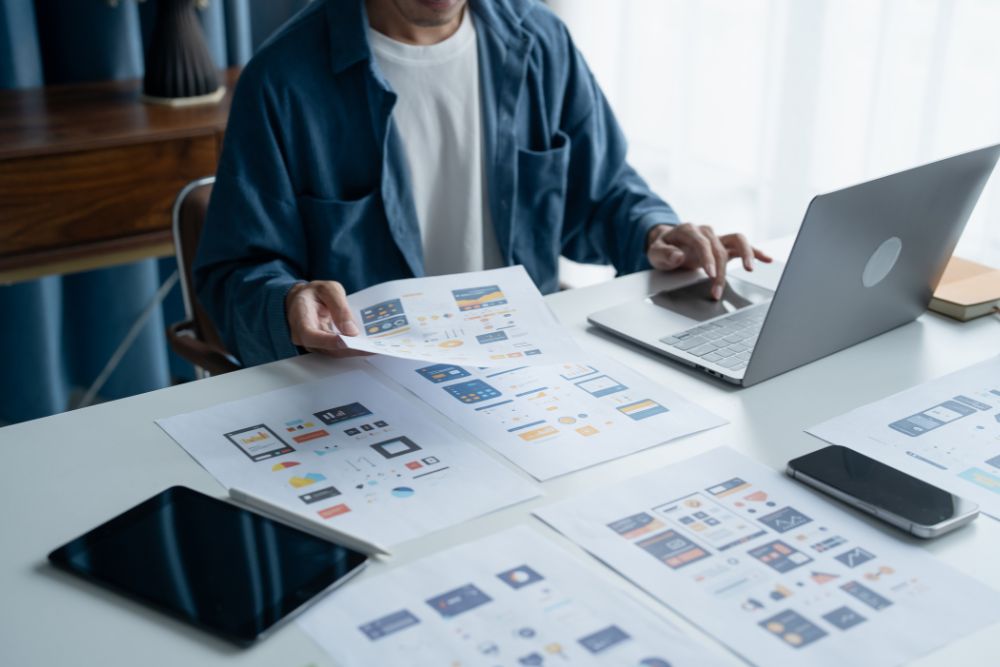
Businesses that implement upcoming mobile application trends obtain superior market advantage because the mobile application market experiences rapid transformation. Businesses can develop mobile applications that deliver superior performance and user satisfaction through AI systems that personalize content and voice recognition technologies and AR applications and super app integration.
Our team provides support to clients who want to create modern mobile applications or seek expertise about current mobile app trends.
Get in touch with us today to discuss your project and bring your app idea to life.
We invite you to contact us through email at contactus@panalinks.com