

Digital Trends invite you to pause for a second and look around. Your neighbor’s watch can order lunch. Your classroom hums with videos and the soft glow of tablets—less paper, more screen, but the learning still feels just as alive. The bus driver turns off the headlights by speaking to the steering wheel. All these little changes come from slow, careful waves building in the big digital ocean.
By 2026, some waves will rise higher than the rest—changing what you see, touch, and do every single day. These are not only for tech cities, but for every small town and farm across the world. “Digital Trends 2026” is not just a phrase; it is a path everyone will walk.
Below are ten ideas—each shaped like a tool, not a toy. They do not use hard words. The stories here come from real places and simple dreams.
Top 10 Must-Know Digital Trends That Will Dominate 2026
Smart Phones Grow Even Smarter

Imagine a phone that wakes up before you do. It guesses what news you want. It blocks spam before it rings. It learns which roads you take to work. Your phone might soon book a bus seat on its own or send money to your mother, all with just a few taps. For a street vendor in Lucknow or a student in Lagos, life feels lighter. Errors are fewer. Worries shrink
Shops Know You Before You Walk In

You read a book on your phone, and it explains a new word with a small cartoon. Students in rural Bihar can learn science with stories acted out in their home language. Teachers use simple screens to guide learning—sometimes under a quiet banyan tree in a village, not just inside polished city classrooms.
Homework might mean filming a video about growing tomatoes instead of just filling in answers on a sheet—hands-on, a little messy, and a lot more fun. Every learner gets their own path, with the digital world changing to follow every step.
Work From Anywhere, Not Just Home

A woman selling crafts in Goa joins a video meeting on her phone, with sticky rice cooling nearby. Her friend in Santiago shares a design sketch before sunrise, all while feeding ducks in his backyard. Work and play do not stay in offices. In 2026, more people skip the long bus ride and work where they feel happiest—library, village plaza, or the roof with a neighbor.
Short chats, cloud records, and simple shared files mean jobs fit into life, instead of life chasing work.
Talking to Machines Becomes Normal

No one is shocked anymore when a child tells their story to a speaker sitting on the fridge. You speak a question, and digital helpers read the news in your home voice. You ask your TV to play music, and it does not stutter or complain.
This quiet magic works in busy train stations or silent bedrooms. For elders who type slowly or see poorly, talking makes the digital world less scary, like chatting with a kind uncle.
Money Visits Every Pocket

Tiny workers and country shop owners start to use digital coins, not only paper bills. People without bank accounts collect money on their phones, send gifts across borders, or pay for tea with a tap. Markets grow safer, stores fish out less fake money, and mothers keep better track of their children’s school fees.
Even at street fairs or on packed buses, mobile payments make life easier—no need to fumble for change or clutch your wallet tight.
Video Takes Over Everything

Reading is slow for some. This is why kids in Udaipur or teachers in Lima love short films explaining how windmills spin or why clouds rain. Public health tips, math tricks, or festival invitations come as moving images in every language.
Farmers watch plant care tips through short video clips. Street vendors learn to make new snacks from step-by-step movies played at low cost, even on old phones. The world watches closely and understands deeply—not just through words, but through what it sees and feels along the way.
Health Checks From Far Away
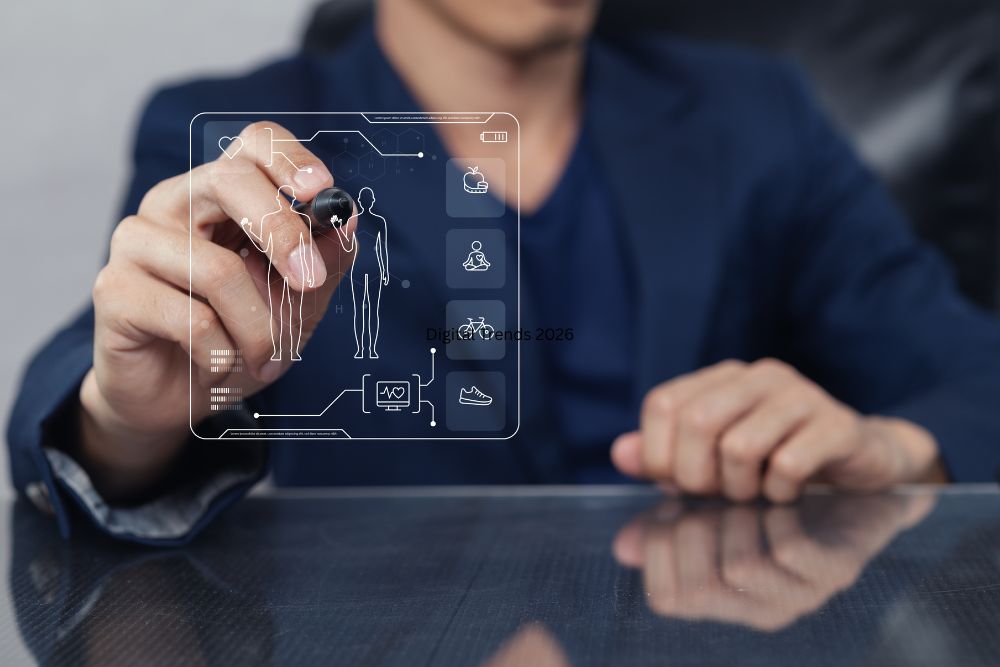
Rural clinics get digital help. A nurse in Jharkhand uses a tablet to send a photo of a rash to a doctor sitting in Jaipur, who replies in minutes. A grandfather in Poland sends his daily blood pressure reading to the clinic by Bluetooth. Medicines arrive by drone outside his village.
Young people track their sleep, exercise, and food, all on the same phone used to call family. Illness is caught sooner; long travel for help is rare.
Simple Words, Personal Stories Online

Websites lose their sharp corners. News, recipes, or city guides now come in easy words, voice notes, or comics. You can read about auto repairs in Hindi, learn about safe cooking in Arabic, or find bus times in Swahili.
Web designers talk to neighbors before changing a menu, not just copying big brand sites. In every country, the web looks warmer and feels more like a trip to the friendly corner shop.
Play Blends With Everyday Life

Waiting for a friend at the train station? Your favorite music mixes with new games, quizzes, or language puzzles. Earning points by taking healthy walks or sharing old stories becomes normal. Shopping for clothes means trying on new styles with the help of a phone camera. Children in Manila collect animal facts on their morning walk, and a grandmother in Paris wins discounts by learning how to save water.
Games, learning, and daily needs all splash into one bright pool. Joy seeps into every errand, and life online feels like a street festival, not just a list of tasks.
The Last Light in the Alley
All these trends do not belong to software makers in far lands. They belong to bus drivers, weavers, students, and parents everywhere. The cleverest sites and tools are simple and small. They lift heavy loads from tired shoulders and give quiet joy on slow afternoons. If you wonder how your dream could use these ideas, even in dusty corners or noisy markets, write us a story or a question. Your journey could be the spark that lights up the next big trend—quiet at first, then suddenly everywhere.